
About Us
In Zambia, an insaka is a Bemba term meaning “a place to gather”, where leaders come together to address community issues. The concept of MANZI builds on this tradition, grounded in the belief that sustainable water, sanitation, and hygiene (WASH) can be achieved by Mentoring Africa with a Network of Zambian Insaka’s. Manzi, which is also the Nyanja word meaning “water”, reflects this core focus.
The Africa Manzi Centre (AFMAC) is a regional hub for WASH expertise, equipping communities and organizations across Africa with the skills and solutions to scale and implement safe water, sanitation, and hygiene programming. Since 2020, AFMAC has impacted over 4.4 million people globally through its training networks.
Our Vision
An Africa where all people are empowered to live healthy lives
Our Mission
To reverse the cycle of poverty by empowering people and expanding access to clean water, safe sanitation and sustainable hygiene practices
Our Team
Click on our photos to learn more about what we do
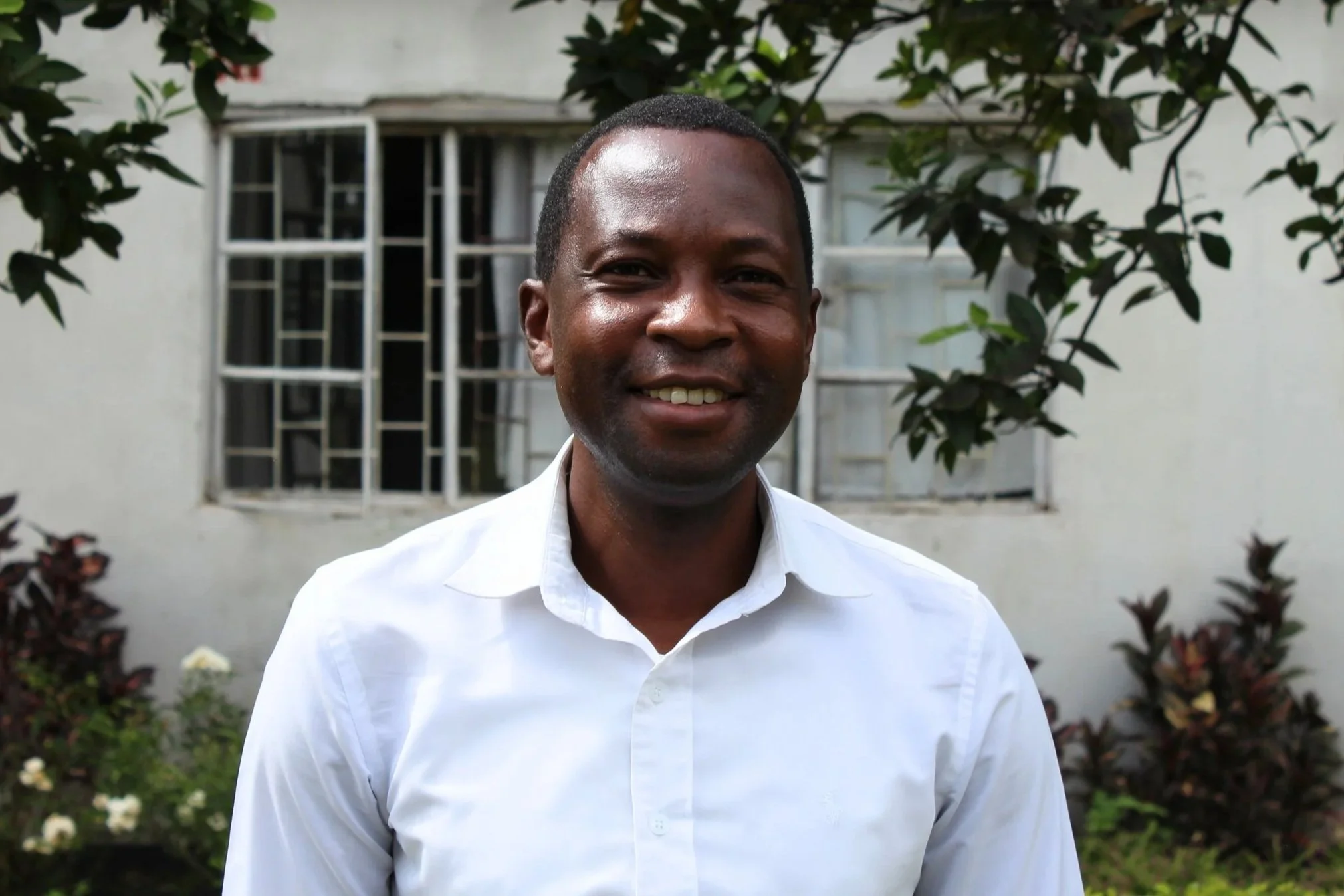
Elijah Mutafya
DIRECTOR
Elijah is AFMAC’s Director, providing strategic leadership and guiding the organization’s growth and direction. He oversees planning, partnerships, and donor relations, ensuring that AFMAC has the resources and networks needed to succeed. He also engages with the board and external stakeholders, representing the organization and strengthening its position within the WASH sector. In addition to his leadership role, Elijah contributes to training and program oversight, ensuring alignment between strategy and implementation. His work connects vision, partnerships, and operations to drive AFMAC’s long-term impact.
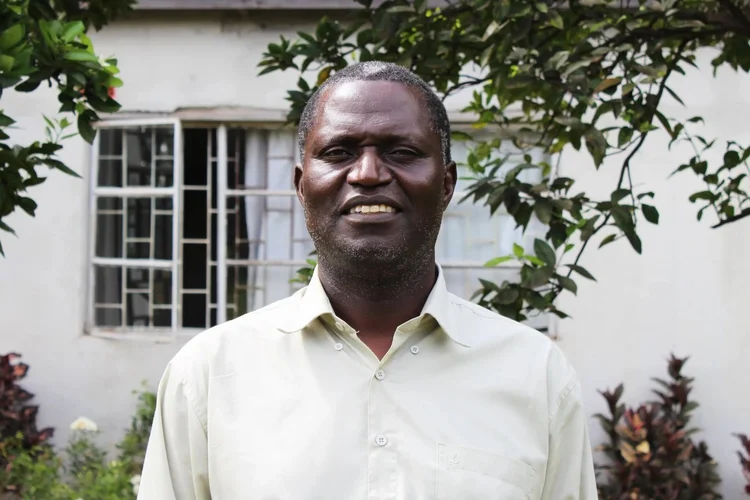
Tauzen Tembo
LEAD TECHNICAL ADVISOR
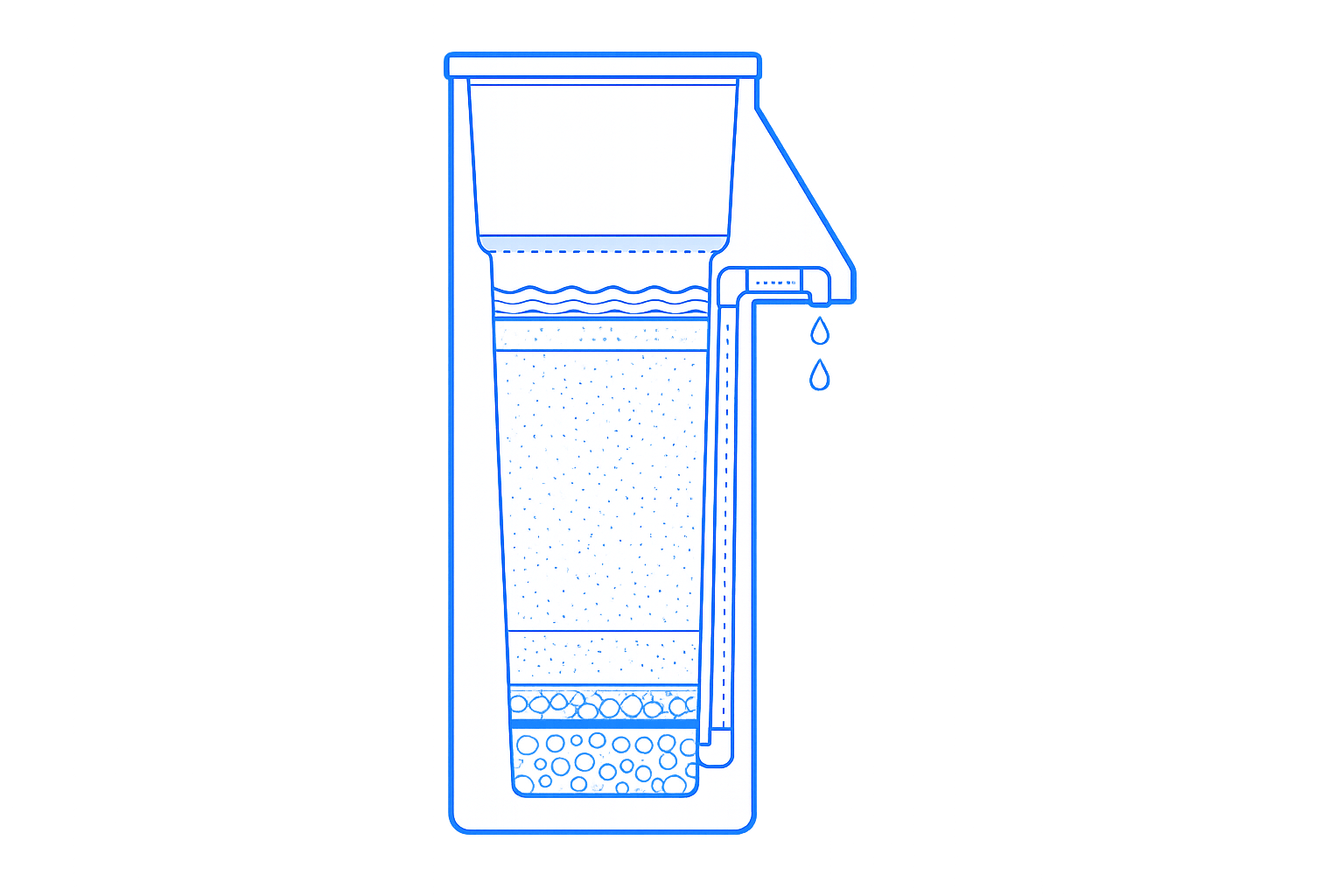
Tauzen serves as AFMAC’s lead technical consultant, supporting both local and international partners while ensuring strong alignment between implementation and training quality. He manages the full life cycle of biosand filters including construction and installation, troubleshooting, relocation, and ongoing maintenance. He also provides technical support on borehole diagnostics, repairs, and handpump maintenance. Tauzen regularly advises on household water treatment, including chlorination and adapting methods to seasonal changes, as well as sanitation solutions such as pit latrine construction and reinforcement. In addition to his technical work, Tauzen plays a key role in training and mentorship, guiding technicians in the field and bridging the gap between training and real-world application.
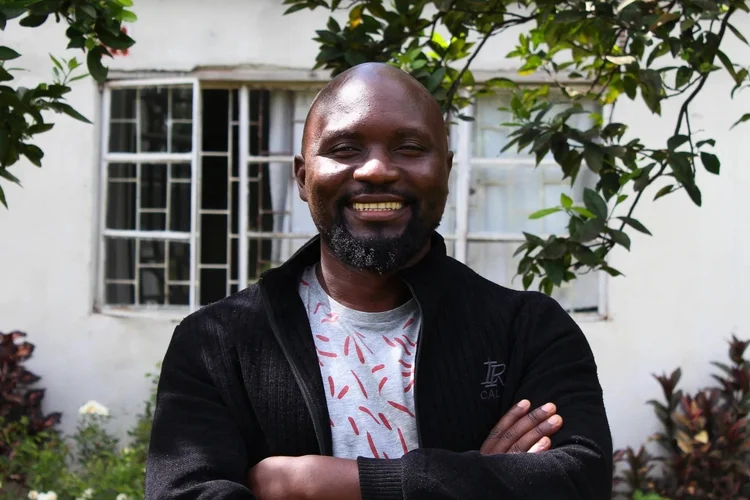
Samson Sakala
WASH ADVISOR
Samson leads AFMAC’s community engagement, training, and data systems, serving as a key link between households and program implementation. He facilitates WASH trainings, supports community wash clubs and Healthy Homes initiatives, and ensures sustained behavior change through follow-up and mentorship. Samson is also responsible for monitoring and evaluation, including managing mWater reporting, survey outreach, and impact tracking. In addition, he supports digital systems such as the online learning platform and contributes to communication and outreach efforts. His work ensures that programs are not only delivered effectively but also tracked, sustained, and continuously improved.
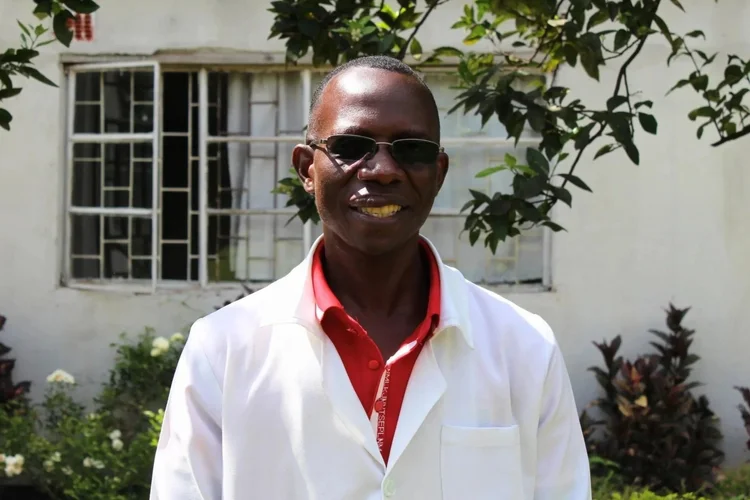
Nathan Nonde
LABORATORY TECHNICIAN
Nathan serves as AFMAC’s laboratory and water quality specialist, providing the scientific foundation for the organization’s work. He leads water quality testing and analysis, ensuring that interventions are evidence-based and technically sound. Nathan also plays a key role in training, particularly in Drinking Water Quality Testing (DWQT), while supporting other courses such as HWTS and WASH ‘EM. His work bridges laboratory results with field application, helping communities and practitioners understand and respond to water safety challenges. He also contributes to technical support and community training, strengthening the link between science and implementation.
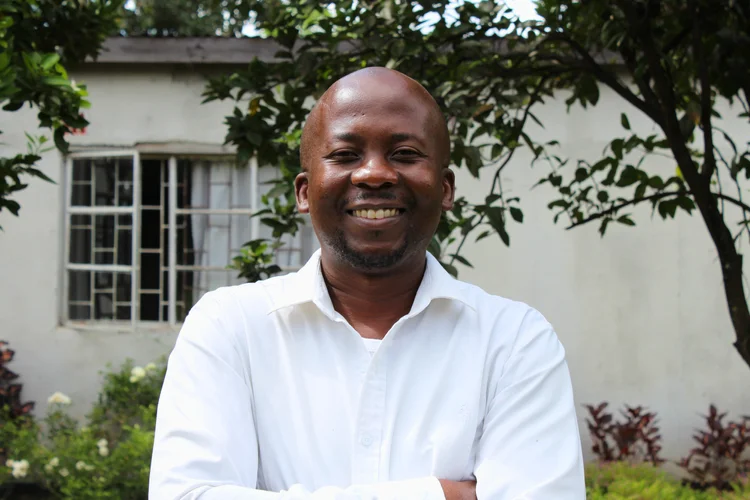
Essau Banda
FINANCIAL ADVISOR
Essau oversees AFMAC’s finance, administration, and resource development, ensuring the organization operates sustainably and effectively. He is responsible for budgeting, financial tracking, and reporting, as well as aligning program activities with available funding. Essau also leads donor engagement efforts, identifying aligned funding opportunities and maintaining relationships with partners. In addition to his administrative role, he supports training initiatives and contributes to online course facilitation. His work enables AFMAC to balance financial accountability with program growth and impact.
Elijah Mutafya
DIRECTOR
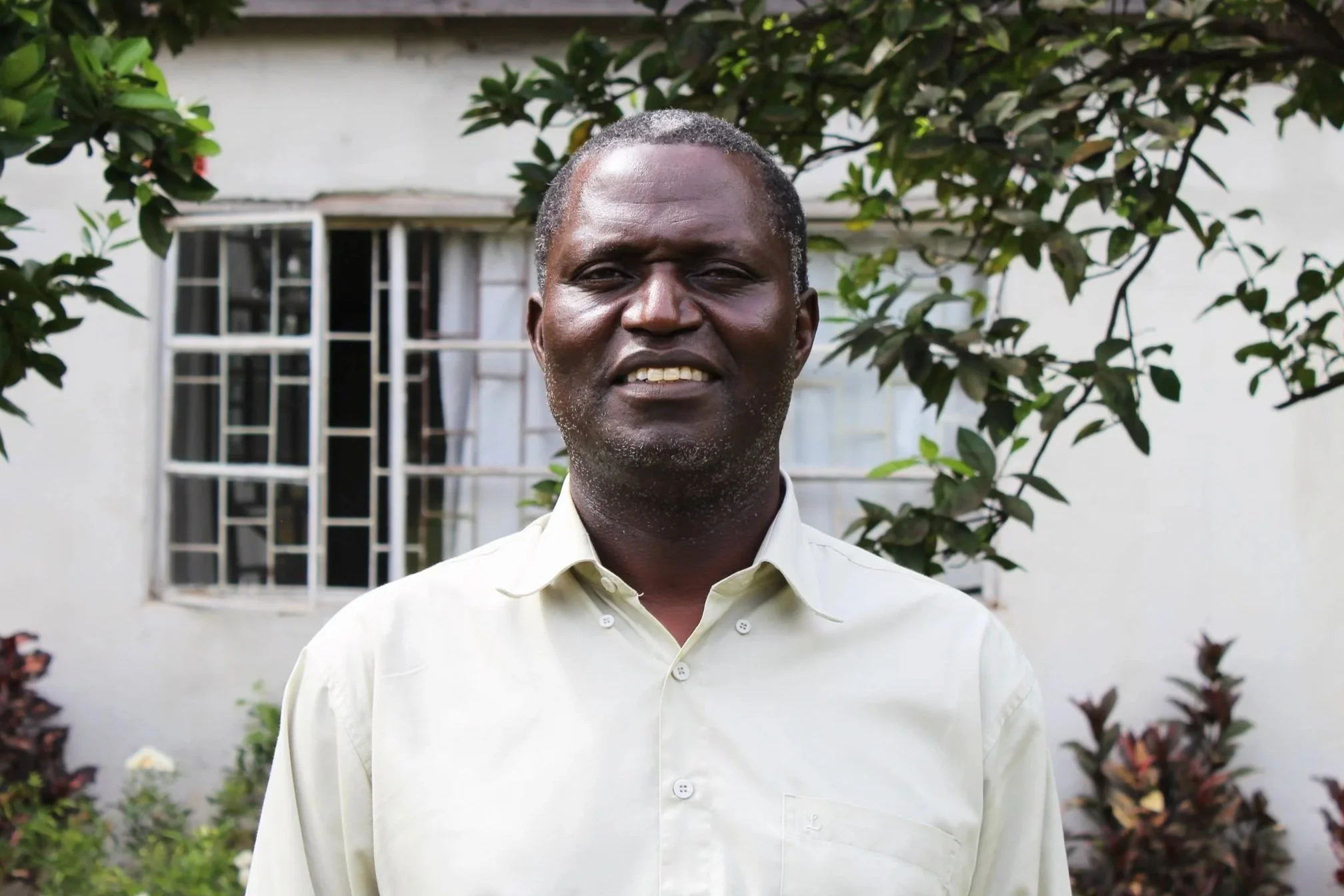
Tauzen Tembo
LEAD TECHNICAL ADVISOR
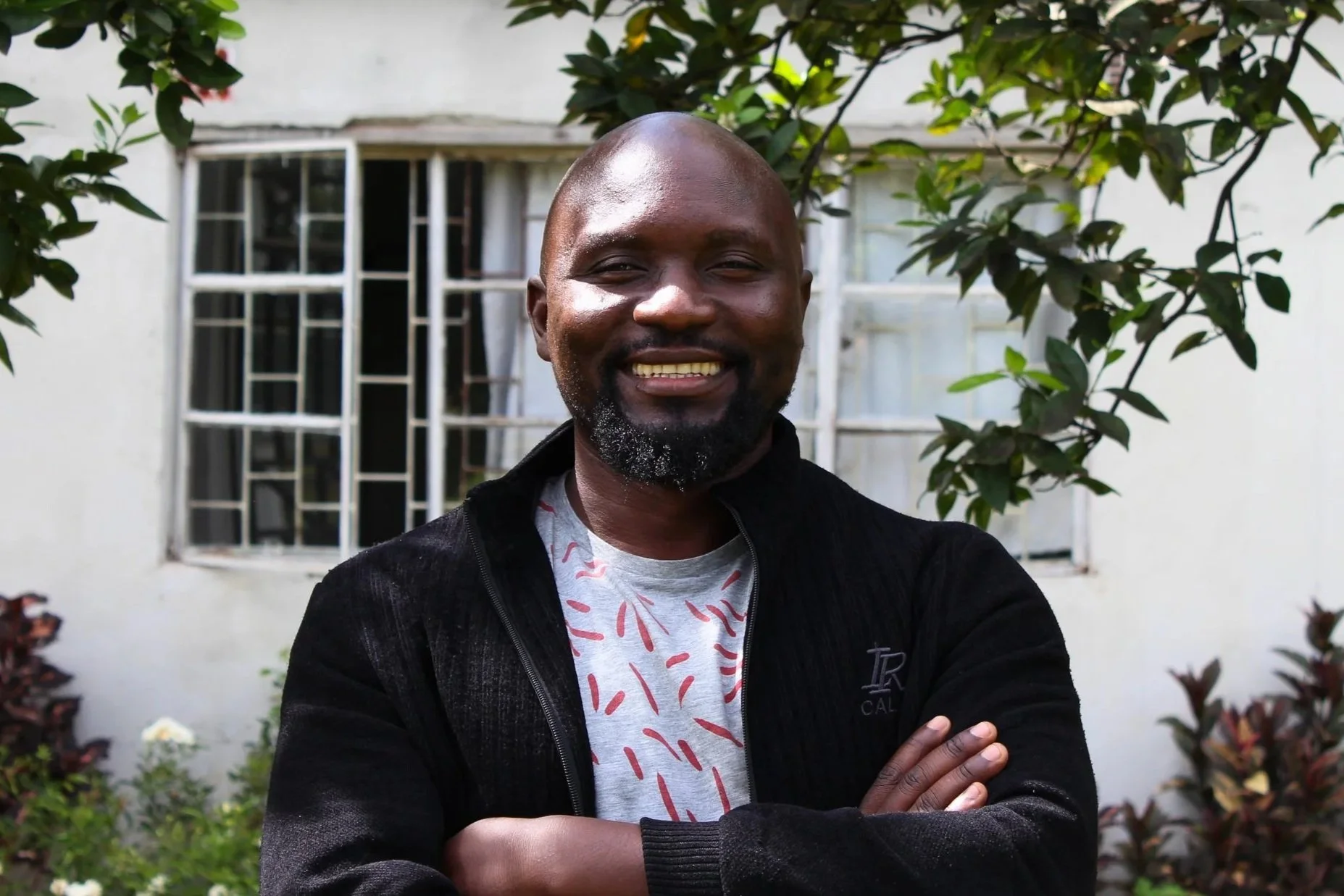
Samson Sakala
WASH ADVISOR
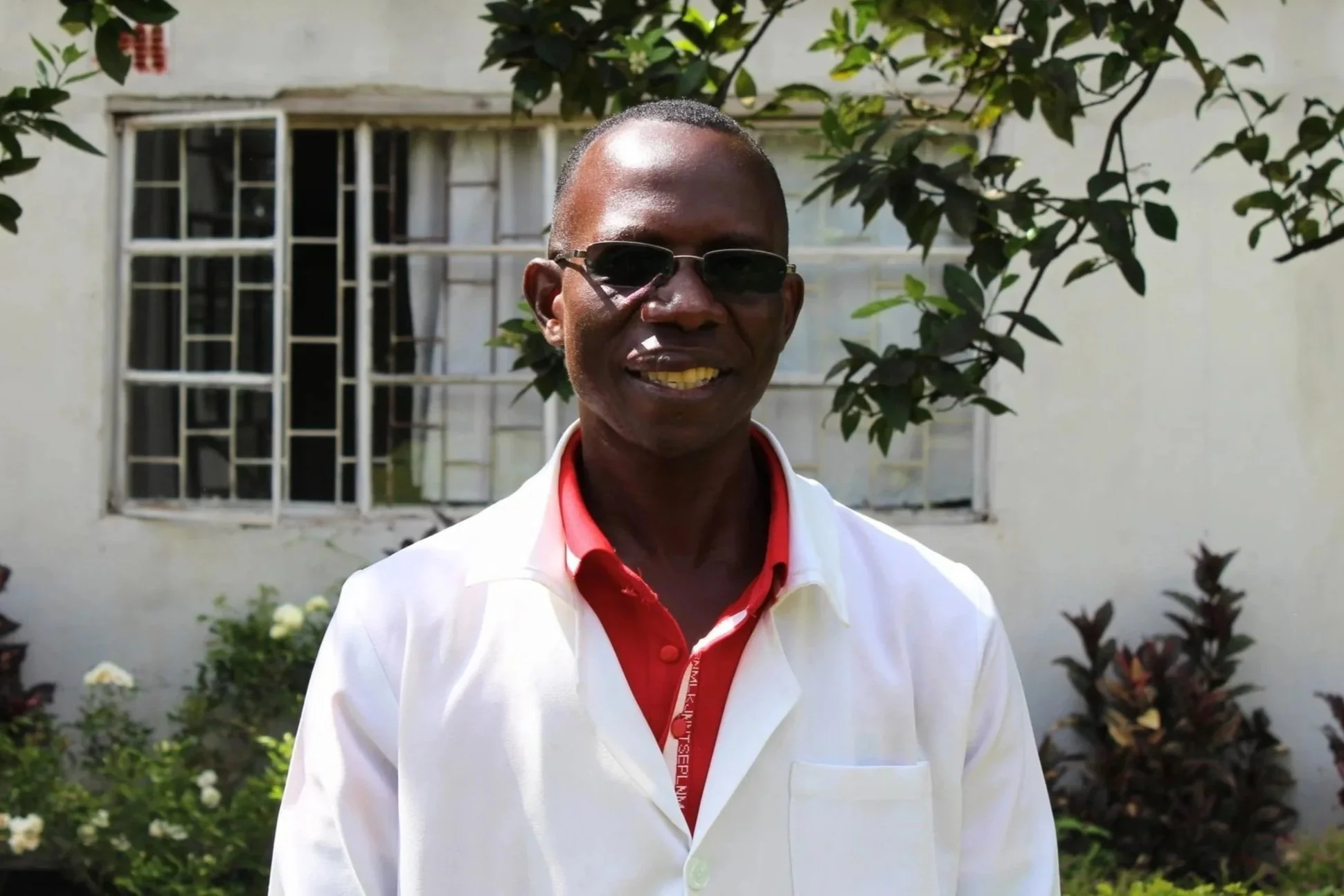
LABORATORY TECHNICIAN
Nathan Nonde
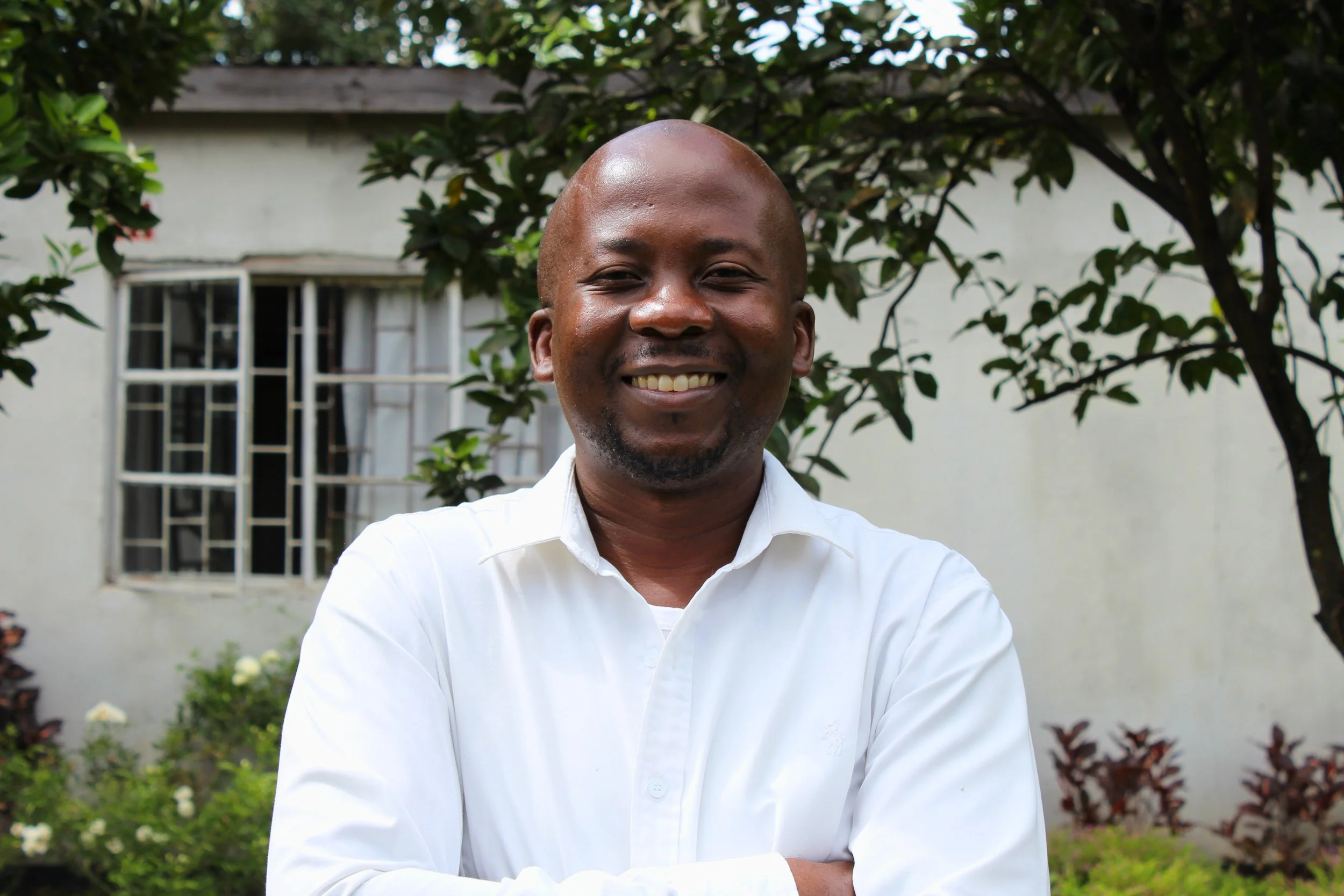
FINANCIAL ADVISOR
Essau Banda
Our Story
Founded in 2003, AFMAC began as Seeds of Hope International Partnerships (SoHIP), a faith driven initiative rooted in holistic community development. From the beginning, our work focused on building long term relationships and equipping communities with practical solutions to improve their access to water, sanitation, and hygiene (WASH).
Through this approach, Seeds of Hope transformed communities across Zambia by combining safe water access, hygiene education, and skills development, with the foundation of local leadership and sustainability. Teams worked within communities to drill wells, install biosand filters, repair handpumps, and deliver practical training, ensuring knowledge and ownership remained local. Over time, this model proved effective and scalable, and AFMAC has now impacted millions more globally through partnerships and shared learning.
Today, this legacy continues through the Africa Manzi Centre, building on its foundation as a regional hub for WASH expertise. Through training, partnerships, and scalable solutions, AFMAC equips communities and organizations globally to strengthen resilience, expand impact, and lead their own development.