

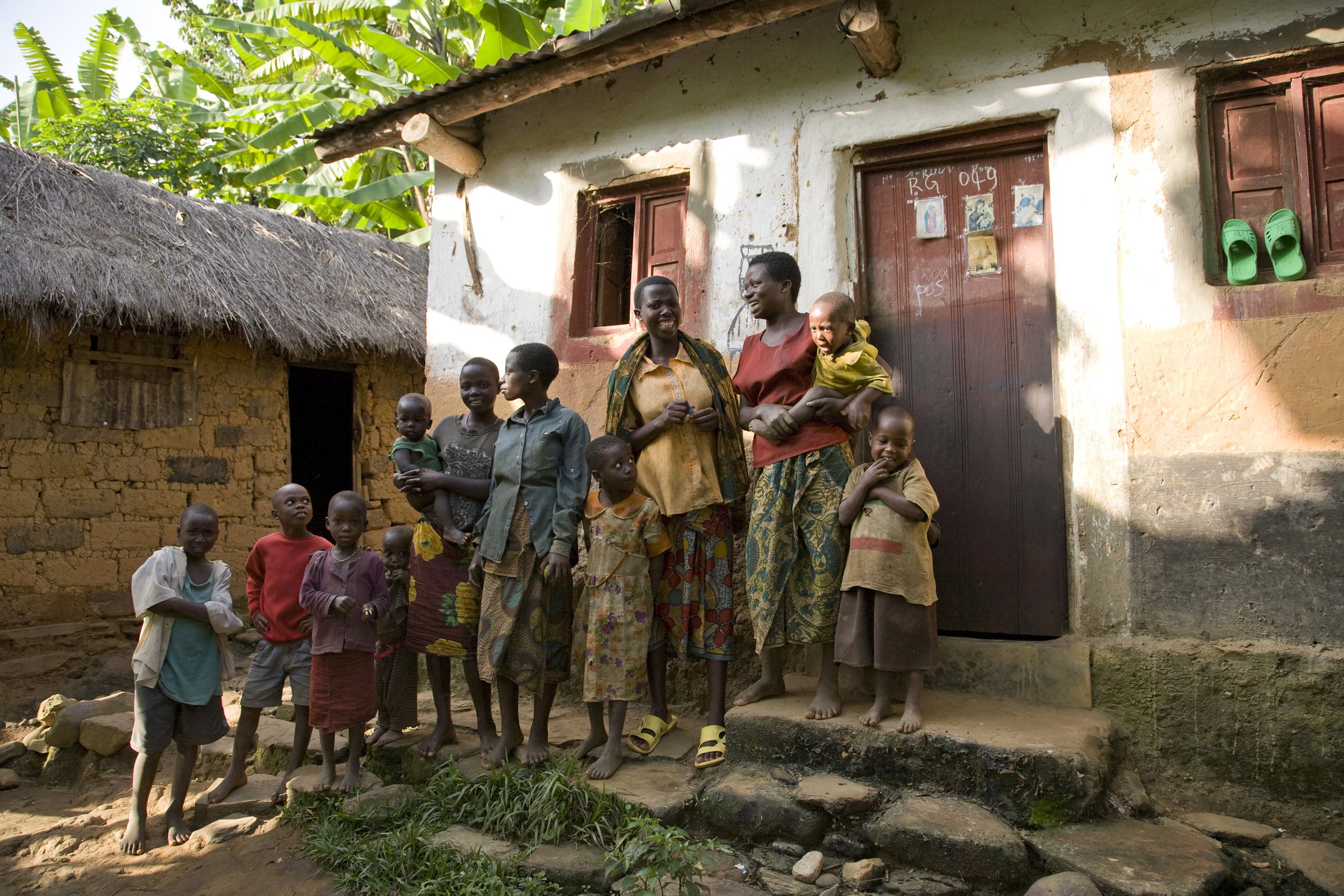
Community Implementation
Start implementing a WASH program in your community today and become a hub to promote healthy Water, Sanitation and Hygiene where you live
-
Description
Community WASH Clubs bring community members together to improve water, sanitation, and hygiene through shared learning and collective action. They build practical WASH knowledge, encourage lasting behaviour change, and strengthen community ownership of healthier practices and environments.
What this program offers
The program uses regular, participatory sessions to explore topics such as disease transmission, safe water, sanitation, hygiene, and environmental health. Through facilitated discussions, practical activities, and peer learning, participants understand why WASH practices matter and how to apply them in their daily lives.
Community members also work together to identify WASH challenges, prioritize practical solutions, and support each other in making improvements. The approach builds local leadership and accountability while helping participants share what they learn with other households, extending the impact across the community.
Who does this apply to
This program is designed for NGOs, government agencies, community-based organisations, and other partners working to improve WASH, public health, and community wellbeing.
It is particularly relevant for community health promoters, WASH facilitators, outreach workers, community leaders, and volunteers who engage directly with households and want to support sustainable, community-led behaviour change.
-
Description
Community WASH Promoters are trained community volunteers who help improve water, sanitation, and hygiene practices at the household and community level. They serve as trusted local resources, sharing practical WASH knowledge, promoting healthier behaviours, and supporting communities to reduce the risks of waterborne disease.
What this program offers
The program equips Community WASH Promoters with practical WASH knowledge and skills that they can apply directly within their communities. Promoters learn how to engage households, raise awareness of WASH risks, promote safe water, sanitation, waste management, and hygiene practices, and encourage positive behaviour change.
By developing local WASH capacity, the program creates a network of community-based promoters who can provide ongoing sensitization and support. This helps extend WASH knowledge beyond individual training activities and strengthens local ownership of healthier practices.
Who does this apply to
This program is designed for NGOs, government agencies, community-based organisations, and other partners seeking to strengthen community-level WASH promotion and outreach.
It is particularly relevant for community volunteers, health promoters, outreach workers, community leaders, and others who work directly with households and can play an ongoing role in promoting WASH knowledge, practices, and behaviour change.
-
Description
WASH in Schools supports schools to improve water, sanitation, and hygiene practices through practical learning, student engagement, and school-led action. It helps build healthier school environments while encouraging students to carry positive WASH behaviours into their homes and communities.
What this program offers
The program uses participatory, age-appropriate learning to build understanding of safe water, sanitation, hygiene, disease prevention, and environmental cleanliness. It supports the creation or strengthening of school WASH clubs and committees, promotes peer-to-peer learning, and helps students and teachers turn WASH knowledge into everyday practice.
The program also helps schools identify practical actions they can take to improve hygiene, sanitation, cleanliness, and safe water practices, while strengthening the role of teachers and school leaders in sustaining these improvements over time.
Who does this apply to
This program is designed for schools, education institutions, NGOs, government agencies, and other partners working to improve student health, hygiene, and learning environments.
It is particularly relevant for teachers, school administrators, WASH focal points, youth leaders, and organisations that want to use schools as a platform for behaviour change and wider community impact.