
WASH Trainings
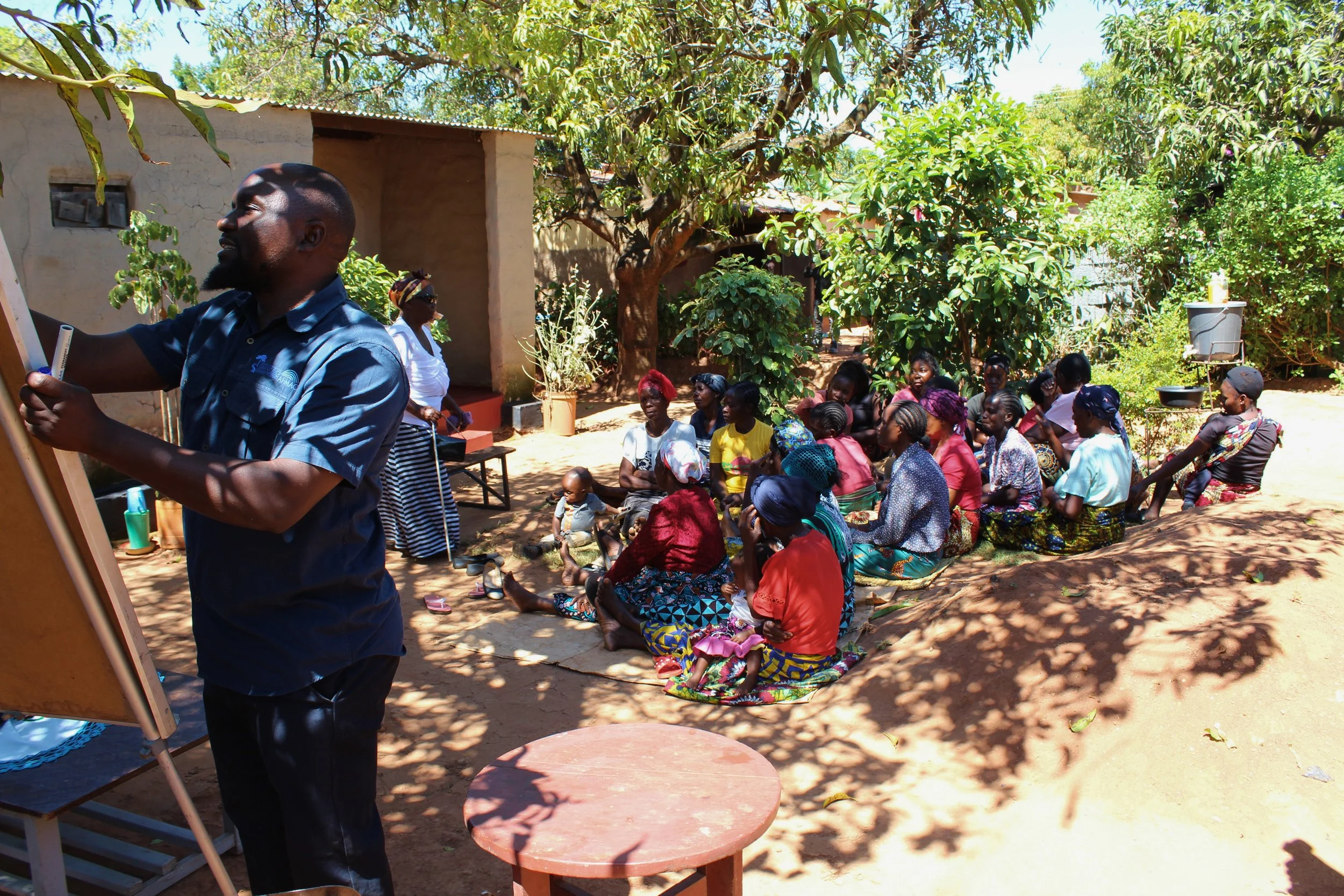
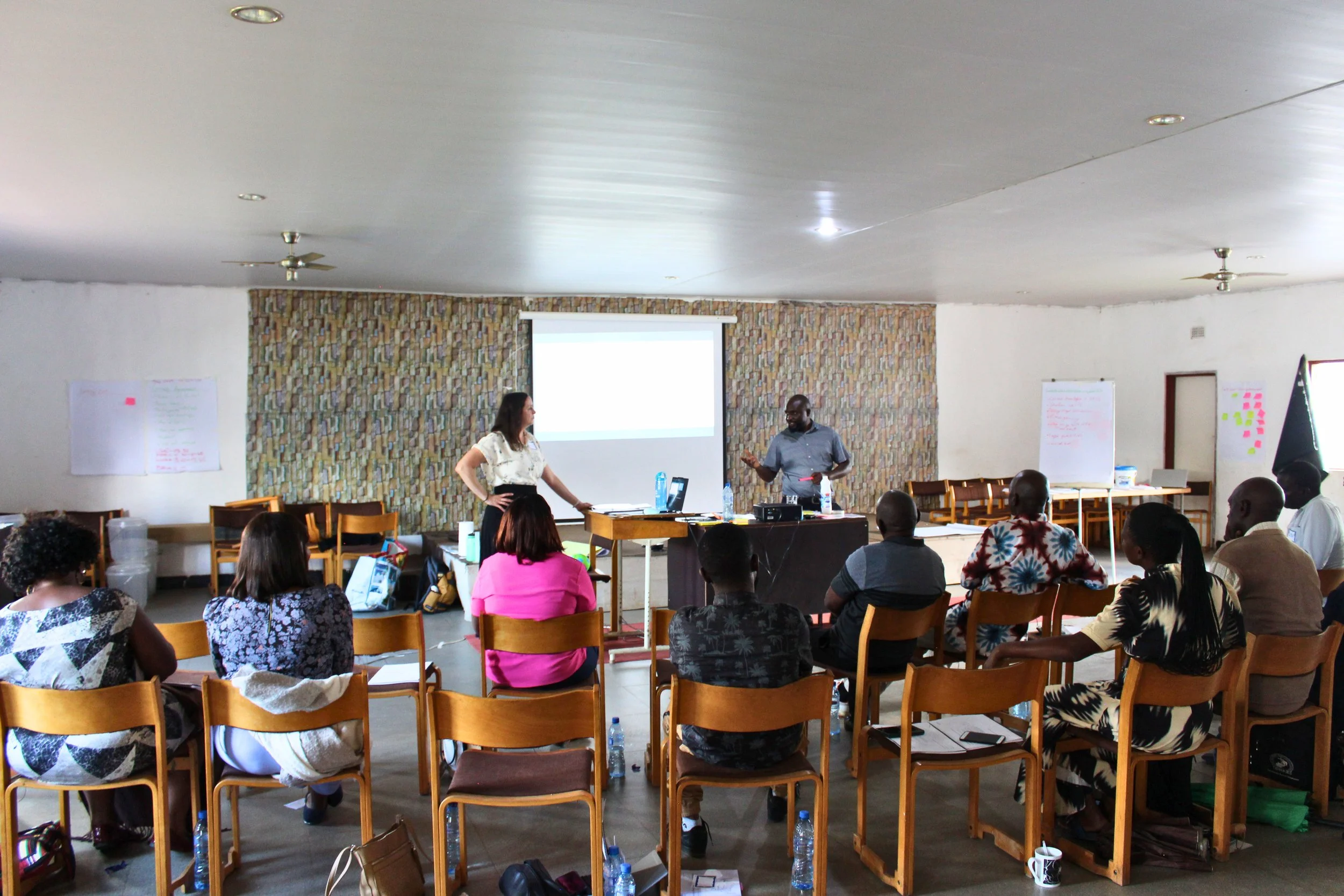
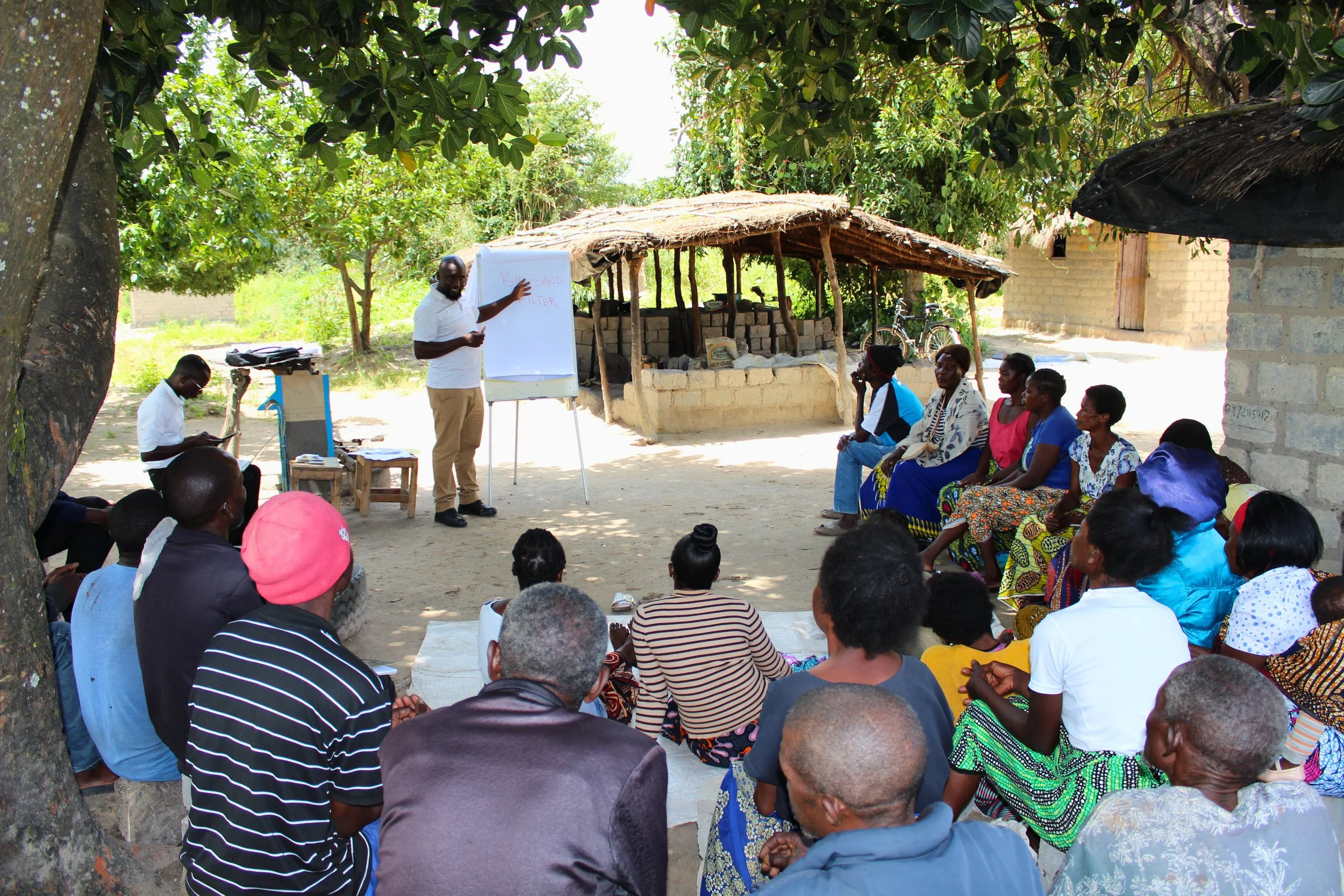
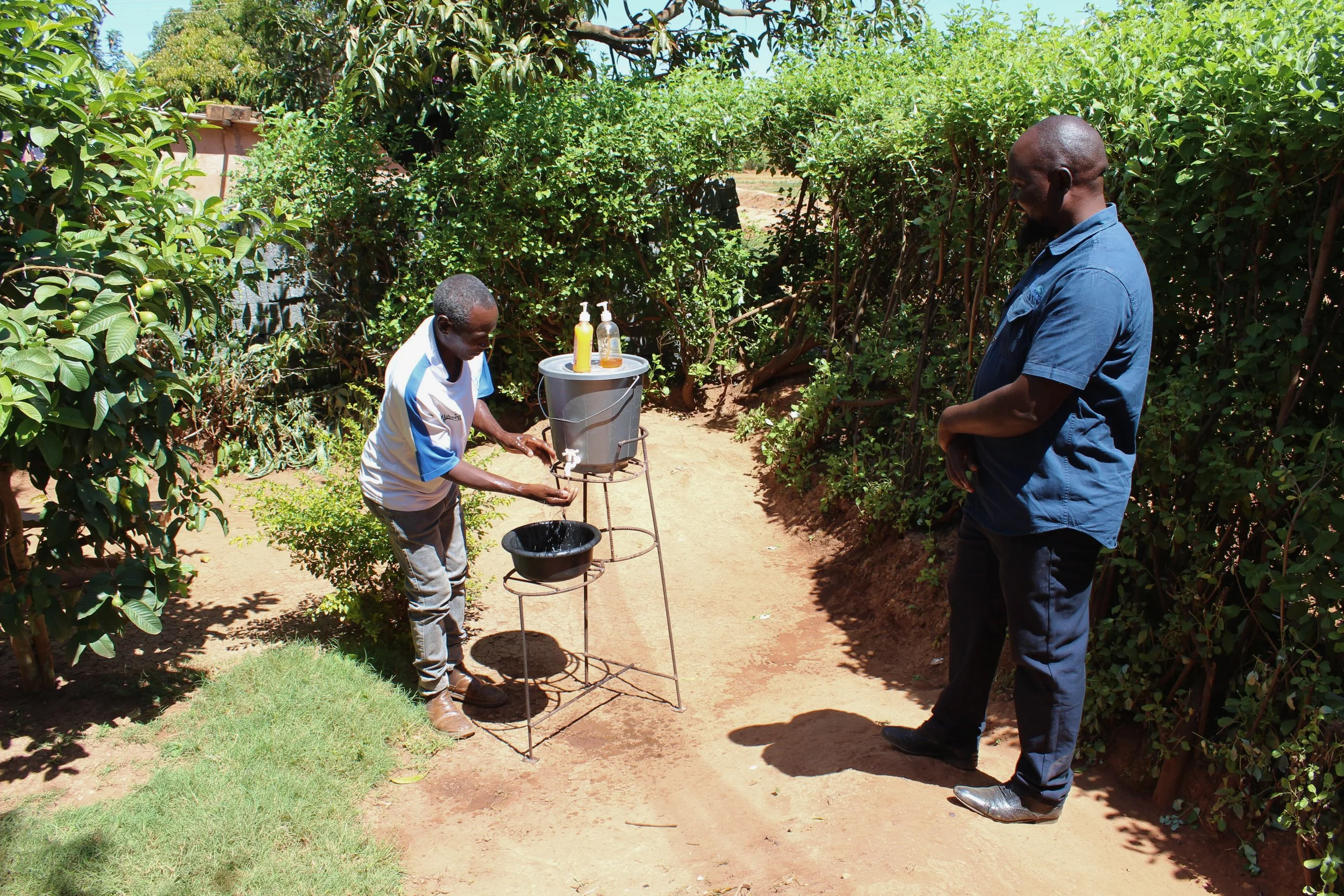
Explore our range of WASH trainings designed to help you move forward with confidence, wherever you're headed next.
-
Description
Drinking water quality testing is essential for understanding risks and ensuring safe water for communities. It plays a critical role in the implementation, monitoring, and evaluation of WASH programs. By the end of this workshop, participants will have the knowledge and practical skills needed to assess water quality and use results to inform decision-making and improve safe water interventions.
What this training offers
This workshop offers an introduction to drinking water quality and common sources of contamination. Participants learn about key physical, chemical, and microbiological parameters and their relevance to health. The training includes hands-on practice using portable test kits for sample collection and analysis. Participants also explore how to interpret results and apply findings within household water treatment, safe storage, and small community water supply systems. The workshop further discusses how water quality data supports monitoring, evaluation, and program improvement.
Who should take this training
This workshop has been designed for those involved in water quality monitoring and WASH programming. It is suitable for NGOs, government agencies, environmental health officers, laboratory technicians, and field staff. It is also beneficial for organisations and individuals seeking to strengthen their capacity to assess and improve drinking water safety.
-
Description
Effective training is critical to ensuring that WASH knowledge is understood, applied, and sustained within communities. Strong facilitation skills improve learning outcomes and support behaviour change. By the end of this workshop, participants will be equipped with the skills needed to confidently deliver engaging and effective WASH training in a variety of settings.
What this training offers
This workshop offers practical guidance on facilitating WASH training using adult learning principles. Participants learn how to create a safe and engaging learning environment, motivate learners, and adapt content to suit different audiences and contexts. Through interactive sessions, participants practice asking effective questions, responding to learners, and managing challenging situations. The training also emphasizes ensuring that information delivered by trainers is relevant, clear, and actionable.
Who should take this training
This workshop has been designed for those responsible for delivering WASH training or capacity development. It is suitable for NGO staff, government officers, facilitators, educators, and program coordinators. It is also beneficial for organisations seeking to strengthen the quality and impact of their training programs.
-
Description
Household water treatment and safe storage (HWTS) is extremely effective at ensuring individuals, families, and communities are able to access safe drinking water. It is a critical approach to mitigating unnecessary illness caused by contaminated water. By the end of this workshop, participants will have the knowledge necessary to make informed decisions about selecting appropriate HWTS options and how to implement and plan HWTS initiatives.
What this training offers
This workshop offers an introduction to types of water sources and contamination, the water treatment process, and household water treatment and safe storage options. It also addresses key criteria to consider when selecting appropriate technologies based on local conditions. Participants explore how to apply these criteria to choose suitable solutions under a multi-barrier approach to safe water. Implementation strategies and project planning steps for successful HWTS programs are also discussed. Additionally, participants observe and practice the correct use of selected treatment technologies.
Who should take this training
This workshop has been designed for those interested in starting or strengthening HWTS projects in developing contexts and those working within water, sanitation, health, or community development programs. It is suitable for NGOs, government agencies, decision-makers, and community-based organisations. It is also beneficial for community leaders, educators, and individuals working directly with communities to improve access to safe drinking water.
-
Description
Access to safe water, sanitation, and hygiene is fundamental to improving health and breaking the cycle of disease transmission. A holistic understanding of WASH is essential for effective programming. By the end of this workshop, participants will have a foundational understanding of key WASH concepts and how they contribute to improved health outcomes.
What this training offers
This workshop introduces participants to disease transmission pathways and the role of WASH in preventing illness. It covers essential topics including household water treatment, sanitation practices, hygiene behaviours, solid waste management, and vector control. Participants also explore basic behaviour change principles and how they can be applied in community settings. The training provides practical, accessible knowledge to support implementation of integrated WASH interventions.
Who should take this training
This workshop has been designed for those new to WASH or seeking a foundational understanding of the sector. It is suitable for NGO staff, government officers, community volunteers, and students. It is also beneficial for organisations integrating WASH into broader health or development programs.
-
Description
Skilled technicians are essential for ensuring the quality and effectiveness of biosand filters. Proper construction and installation directly impact performance. By the end of this workshop, participants will be equipped with the technical skills required to construct, install, and support biosand filter use.
What this training offers
This workshop provides hands-on training in constructing biosand filter components, including concrete boxes, filtration sand, diffusers, and lids. Participants learn installation procedures and how to instruct households on correct use and maintenance. The training emphasizes understanding the filter design and maintaining quality standards to ensure consistent performance.
Who should take this training
This workshop has been designed for technicians, artisans, and individuals involved in biosand filter production and installation. It is suitable for workshop staff, vocational trainees, and organisations developing local technical capacity.
-
Description
Local production capacity is essential for scaling biosand filter programs and ensuring long-term sustainability. Fabricating molds locally allows organisations to increase efficiency and reduce dependency on external suppliers. By the end of this workshop, participants will have the skills needed to fabricate biosand filter molds to the required specifications.
What this training offers
This workshop offers hands-on training in the fabrication of biosand filter molds. Participants learn how to use tools and equipment to construct molds that meet design standards and ensure consistent production quality. The training covers measurement, assembly, and quality control considerations. It also explores how local mold fabrication supports increased production capacity and program scalability.
Who should take this training
This workshop has been designed for welders, fabricators, and technical staff. It is suitable for organisations seeking to establish or expand biosand filter production. It is also beneficial for vocational training institutions and individuals developing practical technical skills.
-
Description
Efficient preparation of filtration sand is critical to the performance of biosand filters. Mechanized solutions can significantly improve quality and production capacity. By the end of this workshop, participants will understand how to construct and use sand sorting machines to support biosand filter production.
What this training offers
This workshop provides hands-on experience in constructing sand sorter machines used to wash and sort filtration media. Participants learn how to design and build systems that improve efficiency and consistency in sand preparation. The training also covers operation and maintenance of the equipment and highlights how mechanization can increase production output and support larger-scale implementation.
Who should take this training
This workshop has been designed for technical teams, fabricators, and organisations involved in biosand filter production. It is suitable for NGOs and workshops seeking to improve efficiency and scale operations. It is also beneficial for individuals with technical backgrounds interested in supporting WASH technologies.
-
Description
The effectiveness of biosand filters depends on correct and consistent use by households. User understanding is essential to achieving long-term health benefits. By the end of this training, participants will be confident in using and maintaining their biosand filters properly.
What this training offers
This training introduces participants to how biosand filters work and why they are effective in improving water quality. It covers correct usage practices, maintenance requirements, and important do’s and don’ts. Participants learn how to ensure consistent use and avoid common mistakes that can reduce performance. The training emphasizes building confidence and understanding to maximise health benefits.
Who should take this training
This training has been designed for households and community members receiving biosand filters. It is essential for beneficiaries of biosand filter programs and supports proper use and long-term effectiveness.
-
Description
Behaviour change is at the core of effective WASH programming. Improving infrastructure alone is not enough without changes in attitudes and practices. By the end of these workshops, participants will understand how to influence behaviours and promote lasting improvements in WASH practices.
What this training offers
These workshops focus on specific WASH behaviours such as water source protection, safe transportation and storage of water, and handwashing practices. Participants explore how attitudes, beliefs, and social norms influence behaviour. The training provides practical strategies for encouraging positive change at both individual and community levels. It emphasizes transforming mindsets so that WASH is prioritised and sustained over time.
Who should take this training
These workshops have been designed for community members, WASH promoters, NGOs, and government programs focused on behaviour change. They are suitable for organisations seeking targeted training on specific WASH topics. They are also beneficial for individuals working to improve community health and hygiene practices.
-
Description
Access to safe and appropriate sanitation is essential for improving health and dignity in communities. Poorly designed latrines can lead to safety risks and low usage. By the end of this workshop, participants will be able to design and construct latrines that are safe, durable, and suitable for local conditions.
What this training offers
This workshop provides practical training on designing and constructing latrines for low-income communities not connected to sewer systems. Participants learn how to select appropriate designs based on environmental conditions and user needs. The training covers construction techniques, including pit reinforcement to prevent collapse, and emphasizes building latrines that people will want to use. It also highlights considerations for long-term functionality and sustainability.
Who should take this training
This workshop has been designed for builders, artisans, and sanitation practitioners. It is suitable for NGOs, government agencies, and organisations implementing sanitation programs. It is also beneficial for individuals involved in construction and community development projects.
-
Description
Reliable access to safe water depends on the proper functioning of water points. When hand pumps break down, communities often revert to unsafe water sources. By the end of this workshop, participants will have the skills needed to repair and maintain hand pumps and ensure continuous access to safe water.
What this training offers
This workshop provides hands-on training in diagnosing and repairing common hand pump issues. Participants learn how to use tools, replace parts, and carry out routine maintenance. The training also covers preventative measures to reduce breakdowns and extend the lifespan of pumps. Emphasis is placed on ensuring communities can maintain their water sources independently.
Who should take this training
This workshop has been designed for pump minders, community technicians, and local mechanics. It is suitable for NGOs, government programs, and organisations responsible for maintaining water points. It is also beneficial for individuals supporting community water systems.
-
Description
Sustainable water access requires strong community management systems. Without proper management, even well-functioning water points can fail over time. By the end of this workshop, participants will understand how to effectively manage and sustain community water points.
What this training offers
This workshop focuses on building the capacity of communities to manage water points following technical interventions such as pump repair. Participants learn how to establish and strengthen water committees, manage finances and resources, and plan for maintenance and repairs. The training emphasizes accountability, organisation, and long-term sustainability of water services.
Who should take this training
This workshop has been designed for community leaders, water committees, and local stakeholders responsible for managing water points. It is suitable for NGOs and government agencies supporting community water systems. It is also beneficial for individuals involved in local governance and infrastructure management.
-
Description
Rainwater harvesting provides an alternative and sustainable source of water, particularly in areas with seasonal rainfall. Proper system design and construction are essential to ensure safety and reliability. By the end of this workshop, participants will be able to design and construct effective rainwater harvesting systems.
What this training offers
This workshop provides hands-on training in the construction of rainwater harvesting systems, including rooftop and ground catchment systems. Participants learn how to install gutters, construct storage tanks, and ensure water quality. The training also covers calculating water supply and demand, and sizing systems appropriately. Practical sessions allow participants to apply concepts and build functional systems.
Who should take this training
This workshop has been designed for technicians, builders, NGOs, and community members interested in alternative water supply solutions. It is suitable for organisations working in areas with limited water access or seasonal variability. It is also beneficial for individuals seeking practical skills in water system construction.
-
Description
Sustainable improvements in water, sanitation, and hygiene depend on behaviour change at the community level. Community WASH promoters play a critical role in supporting this change and improving health outcomes. By the end of this workshop, participants will understand how to effectively engage communities and promote improved WASH practices.
What this training offers
This workshop provides practical guidance on promoting behaviour change in WASH. Participants learn about key hygiene and sanitation behaviours and how they impact health and livelihoods. The training explores strategies for engaging communities, communicating key messages, and supporting individuals and households to adopt improved practices. Participants also learn how to address common barriers to behaviour change and encourage sustained adoption of WASH practices.
Who should take this training
This workshop has been designed for community health promoters, outreach workers, and individuals working directly with communities. It is suitable for NGOs, government programs, and community-based organisations involved in WASH promotion. It is also beneficial for volunteers and leaders supporting behaviour change initiatives.